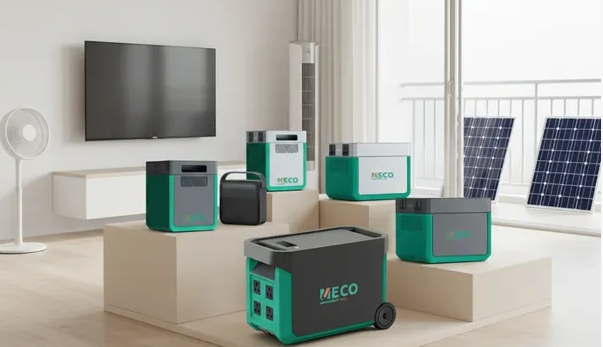
For many households and individuals, the monthly utility bill remains a significant and sometimes unpredictable expense. While large-scale residential solar systems represent a long-term solution, their upfront cost and installation complexity can be prohibitive. This has led to growing interest in portable, integrated solar generators—compact units that promise energy independence on a smaller, more accessible scale.
These systems, often referred to as all-in-one energy storage solutions, bridge the gap between basic power banks and whole-home solar installations. But the key question remains: can a truly compact unit make a measurable difference in your energy expenses and consumption habits? Let's delve deeper.
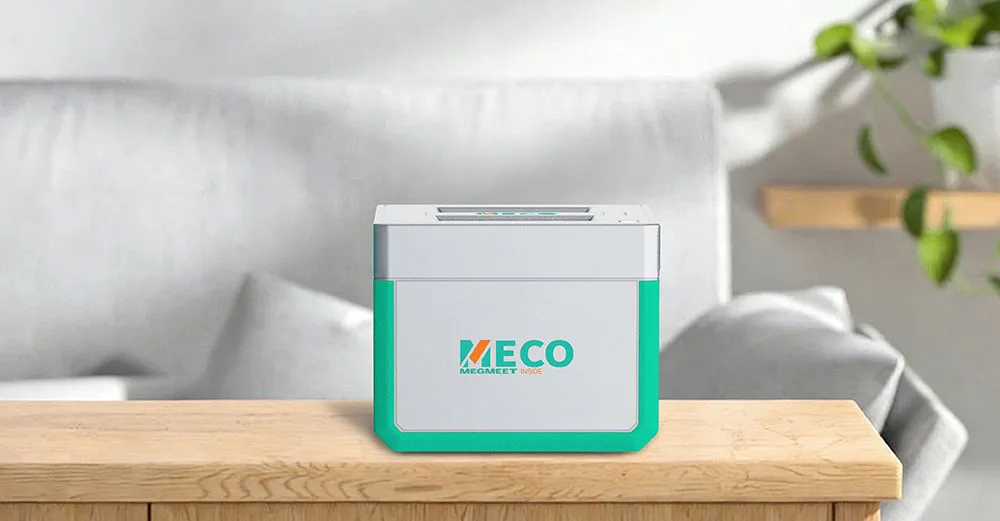
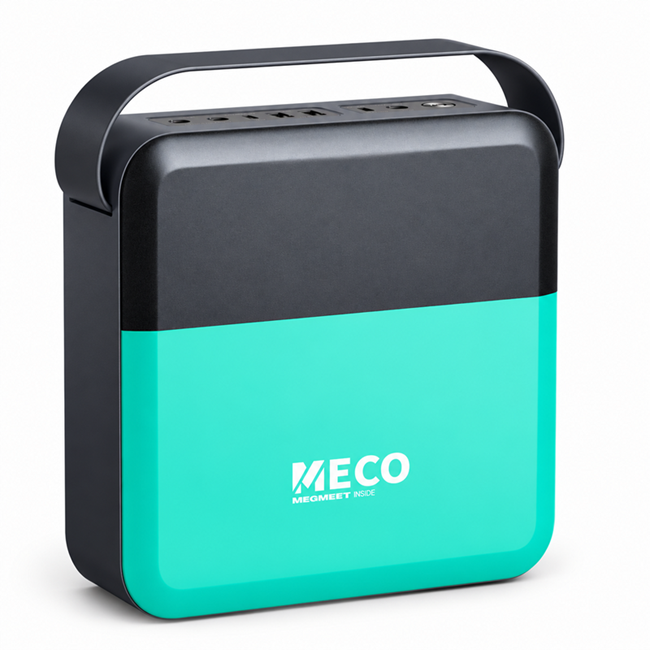
Meco 1kWh Solar Generator
Ⅰ.Beyond the Hype: What a Modern Solar Generator Actually Is
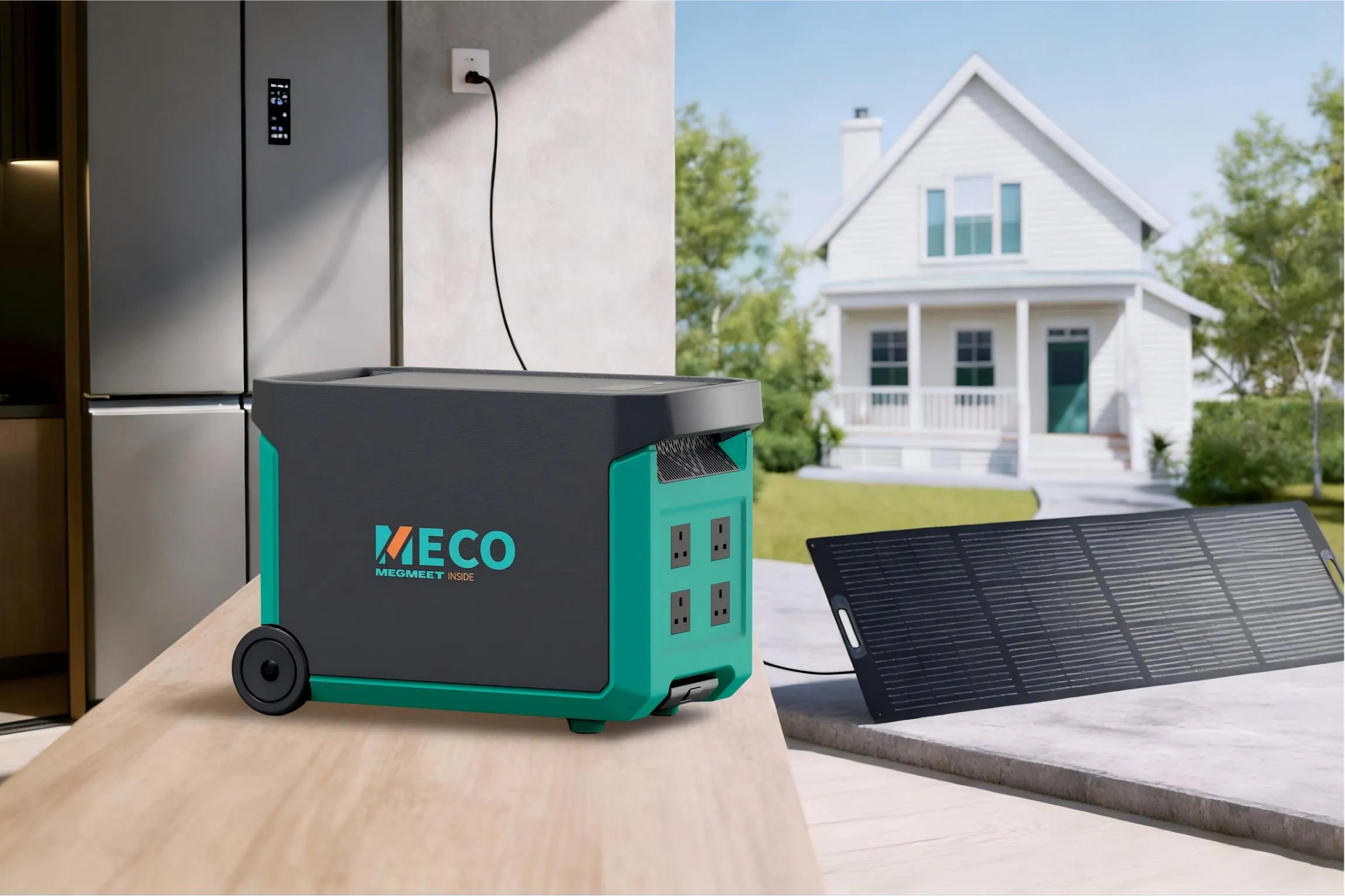
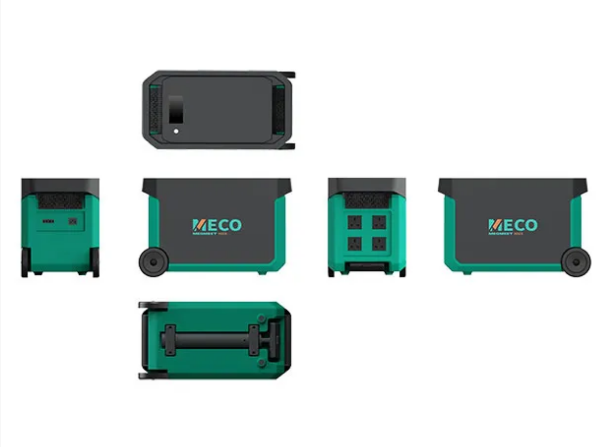
It's crucial to distinguish today's advanced solar generators from the gasoline-powered counterparts of the past or simple battery packs. A modern unit, such as the kind developed by companies like MECO POWER, is a fully integrated system. It combines a high-capacity battery (typically using lithium iron phosphate/LiFePO4 chemistry for safety and longevity), a pure sine wave inverter to power household appliances, a solar charge controller (often Maximum Power Point Tracking/MPPT for efficiency), and multiple protection circuits—all in one portable enclosure.
Understanding Core Specifications: The Case of a 1kWh Unit
Taking the MECO 1kWh Solar Generator as a representative example, we can decode what these specifications mean for daily use. With a battery capacity of 1004.8 watt-hours (Wh), this unit stores just over 1 kilowatt-hour of electricity—the same unit your utility company uses for billing.
What can 1 kWh power? The product information provides concrete examples: a 20W LED lamp for about 50 hours, a 100W television for around 10 hours, or charge a standard smartphone nearly 90 times from empty. For small but essential appliances like a Wi-Fi router (~10W), a 1kWh unit could provide backup power for days during an outage.
Ⅱ. The Impact on Your Power Bill: A Realistic Perspective
Claiming that any single device will drastically cut your overall bill can be misleading. The impact depends entirely on how you use it. A compact solar generator's primary financial benefit comes from three areas:
Peak Shaving & Time-of-Use Optimization: In regions with time-of-use (TOU) electricity rates, you can use the stored solar energy from your generator to power devices during expensive peak hours (e.g., evenings), avoiding drawing costly power from the grid.
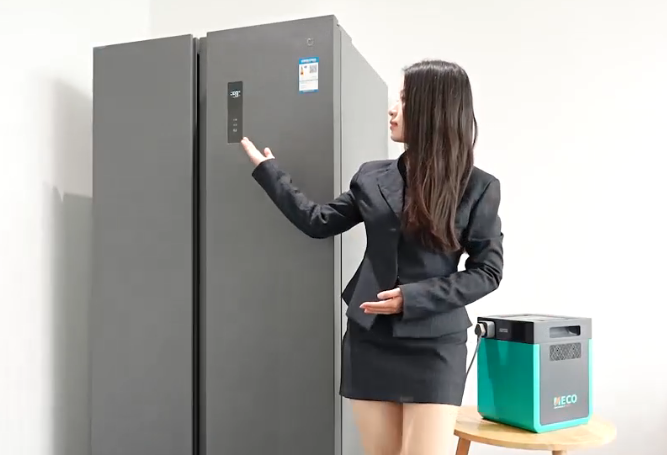
Targeted Appliance Powering: By consistently powering specific, smaller devices (like a home office setup, an entertainment center, or lighting circuits) with solar energy, you directly reduce the grid electricity consumed by those loads.
Emergency Preparedness Value: While not a direct bill reduction, the value lies in avoiding losses from food spoilage or work interruption during frequent short outages, and in eliminating the need to rent or run a noisy, fuel-costly gasoline generator.
A Note on Claims: It is important for consumers to evaluate such products based on verifiable specifications—like battery capacity (Wh), output power (W), and cycle life—rather than on subjective superlatives. Responsible manufacturers focus on transparent data.
Ⅲ. The MECO POWER Approach: Engineering for Long-Term Value
Analyzing the design philosophy behind products like the MECO 1kWh Solar Generator reveals features that contribute to sustainable energy management and cost-effectiveness over time.
Lithium Iron Phosphate (LiFePO4) Battery: This is a pivotal choice. The cited 8000-cycle lifespan for MECO's battery far exceeds that of many traditional lithium-ion batteries. This translates to years of reliable service, enhancing the long-term return on investment.
All-in-One, Plug-and-Play Design: The integration of the MPPT controller, inverter, battery, and Battery Management System (BMS) simplifies setup. This user-friendly approach lowers the barrier to entry for solar energy adoption.
Multi-Layer Safety Protections: As listed in the product specs—including over-voltage, over-current, short-circuit, and temperature protection—these features are not just about safety; they protect your investment by ensuring system durability and preventing failures that could lead to replacement costs.
Ⅳ. Making an Informed Decision: Is It Right for You?
Before considering any solar generator, conduct a simple "energy audit":
List Your Critical Loads: Identify which devices you want to back up or regularly run off-grid (e.g., modem, laptop, medical device, refrigerator light). Note their wattage and daily usage hours.
Calculate Your Needs: Multiply the wattage by hours of use to get Watt-hours (Wh) per day. Compare this to the unit's capacity (e.g., 1004.8Wh). This will tell you how long it can run your selected devices.
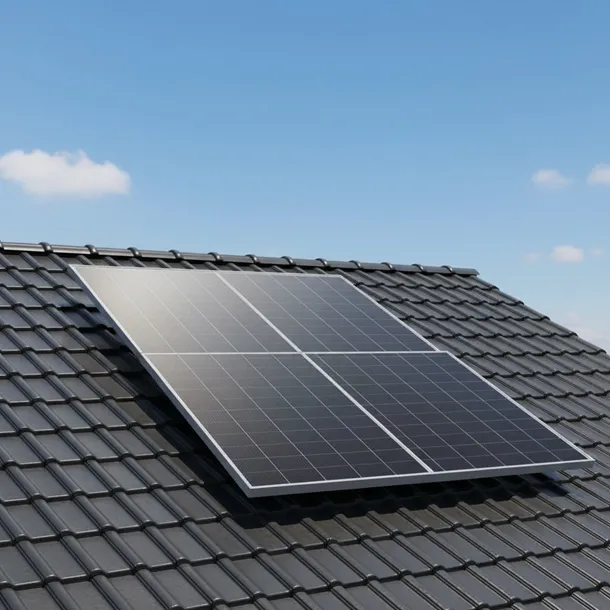
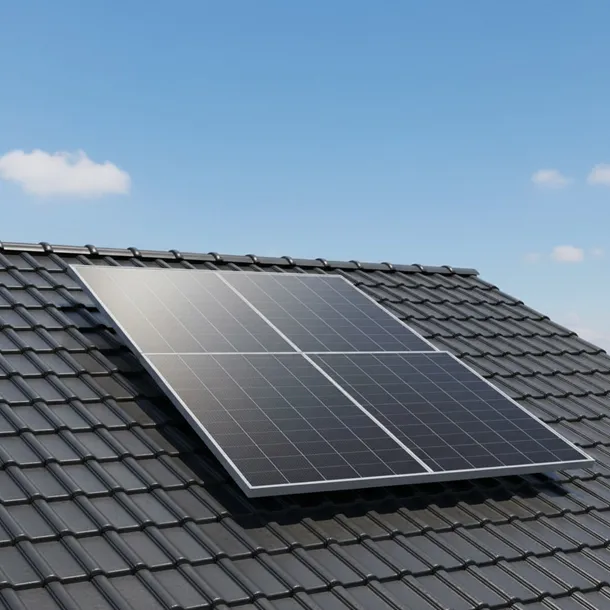
Consider Solar Recharge: Understand the solar input capability. For instance, the MECO 1kWh supports DC (PV) input up to 200W max. Paired with a compatible solar panel, you can recharge during the day, creating a sustainable micro-grid.
The Verdict: A Step Toward Energy Awareness
A compact solar generator like the MECO 1kWh model is unlikely to single-handedly eliminate your power bill if you have a large, high-consumption household. However, it represents a powerful and practical step toward energy resilience and conscious consumption.
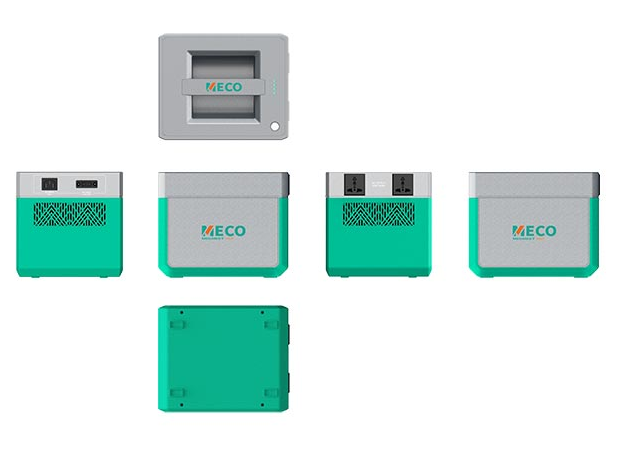
It provides a tangible way to understand your electricity usage, protects against short-term outages, and can effectively reduce the portion of your bill associated with specific, manageable loads. For small apartments, remote workspaces, or as a strategic component in a broader energy-saving plan, its value in enhancing control over your energy footprint is clear. The focus, therefore, shifts from merely "slashing" a bill to strategically managing energy use and building self-reliance—one kilowatt-hour at a time.

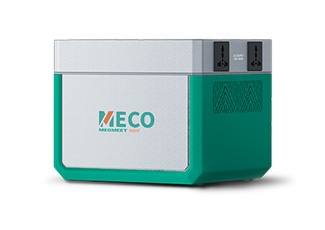 Meco 1kWh Solar GeneratorApplied to small household appliances
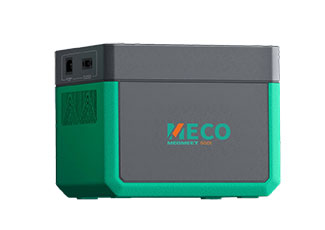 Meco 1kWh Pro Solar GeneratorSuitable for small-scale space solar power generators
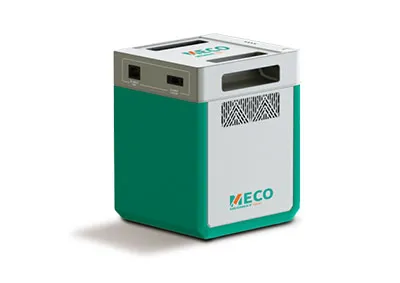 Meco 1.8kWh Solar GeneratorSuitable for small-scale space solar power generators
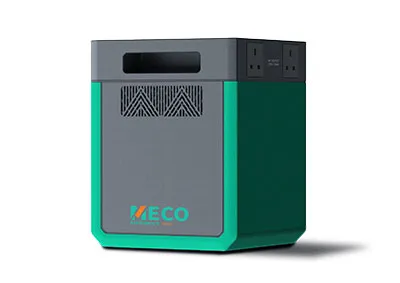 Meco 2kWh Solar GeneratorPowers your entire household
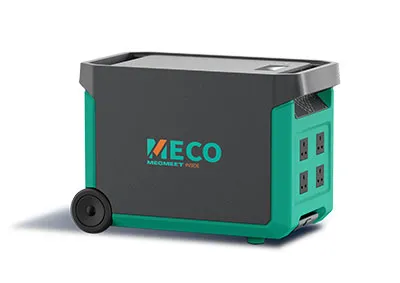 Meco 3.6kWh Solar GeneratorPerfect for outdoor adventures and camping
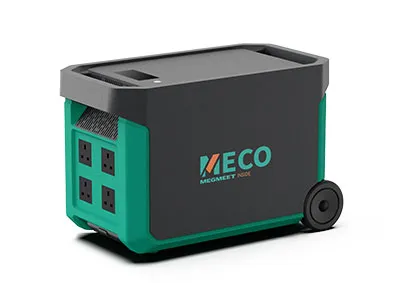 Meco 3.6kWh Pro Solar GeneratorProvides reliable high-power power support for modern households