In today's digital and mobile-connected era, reliable, portable, and sustainable power has become a core need of modern life. Solar power banks, as a revolutionary evolution of traditional power banks, are reshaping perceptions of portable energy with their unique "photovoltaic + energy storage" dual-mode power supply capability. This article will provide an in-depth exploration of the technical principles, core advantages, multi-scenario applications of solar power banks, and offer professional selection and usage guidance based on industry technological frontiers.

Chapter 1: Analysis of Core Technologies in Solar Power Banks
Unlike traditional power banks, modern solar power banks are a complete micro energy management system. They are not just a "reservoir" for storing electricity but an intelligent platform integrating power generation, conversion, management, and output.
1.1 High-Efficiency Photovoltaic Conversion System
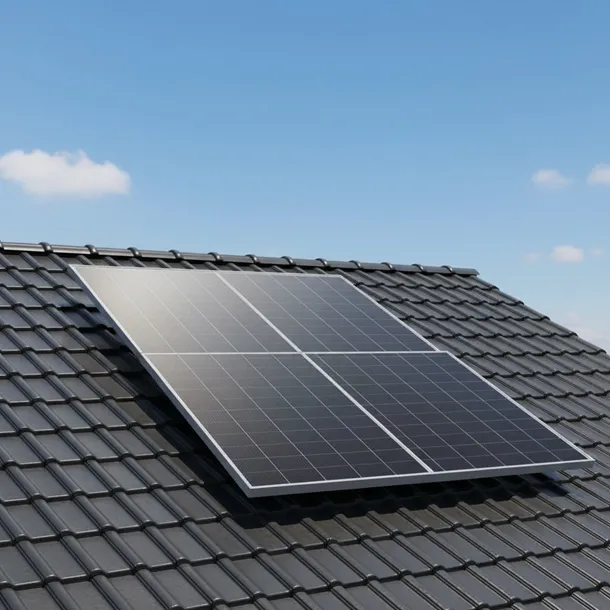
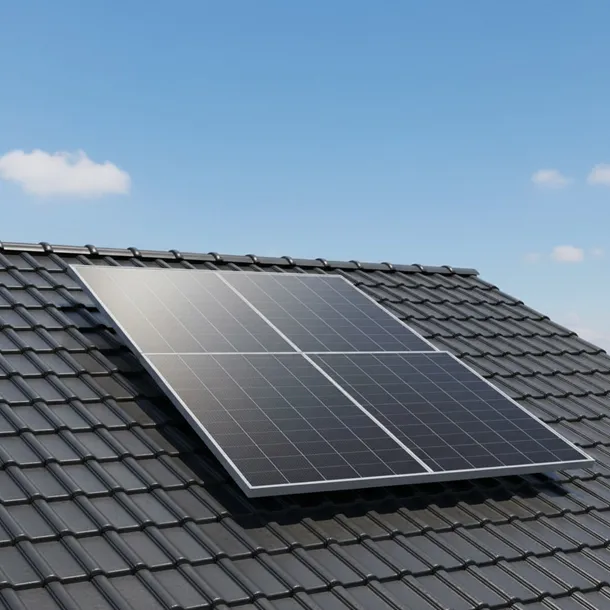
Its core lies in high-efficiency monocrystalline silicon or flexible solar panels. To maximize energy harvesting, especially under poor lighting conditions (such as cloudy days, dawn, or dusk), advanced models commonly incorporate a MPPT (Maximum Power Point Tracking) intelligent controller. This technology can track the optimal operating voltage and current of the solar panel in real-time, increasing solar charging efficiency by up to 30% compared to ordinary chargers, ensuring continuous energy replenishment even under limited sunlight.
1.2 The Foundation of Long Life and High Safety: LiFePO₄ Battery
The energy storage battery is the decisive factor determining product lifespan and safety. The industry is gradually phasing out traditional ternary lithium batteries in favor of Lithium Iron Phosphate (LiFePO₄) batteries. As indicated in product materials, some advanced products already utilize LiFePO₄ cells with a cycle life of up to 8,000 cycles. This means even with one complete charge-discharge cycle per day, it can be used for over 20 years. More importantly, its excellent thermal and chemical stability fundamentally avoids risks such as overheating and fire, providing a higher level of safety for outdoor and home use.
Overview of Key Technical Components:
Chapter 2: Comprehensive Overview of Core Advantages and Application Scenarios
The comprehensive value of a solar power bank far exceeds the single function of "charging." It brings fundamental changes to users in terms of energy autonomy and scenario adaptability.
2.1 Disruptive Advantage Comparison
| Comparison Dimension | Traditional Power Bank | Modern Solar Power Bank |
|---|
| Energy Source | Completely dependent on grid/mains power | Sunlight + Mains power dual-mode |
| Endurance & Sustainability | Fails when battery is depleted | Can achieve near "infinite" endurance with sufficient sunlight |
| Application Scenarios | Indoor, short-distance | Outdoor, off-grid, long-distance, emergency |
| Environmental Friendliness | Consumes fossil-fuel-based grid electricity | Uses renewable energy, achieving zero emissions |
| Long-term Cost | Only initial purchase cost, no fuel cost later | After purchase cost, main "fuel" (sunlight) is free |
2.2 Six Core Application Scenarios
Outdoor Camping & Adventure
Powers camping lights, phones, cameras, drones, portable small fans, and other devices. In sunny environments, it can provide power support for several days, truly achieving energy self-sufficiency.

Long-Distance Hiking & Cycling
Lightweight design (approx. 2.8kg) is ideal for carrying. Supplies power to navigation devices (phone/handheld GPS), headlamps, walkie-talkies, action cameras, etc., ensuring uninterrupted communication and recording.
RV Travel & Mobile Office
Solves power needs inside vehicles or at remote work sites. Charges laptops, tablets, phones, and other digital devices, meeting the demands of remote work and entertainment.

Home Emergency Backup
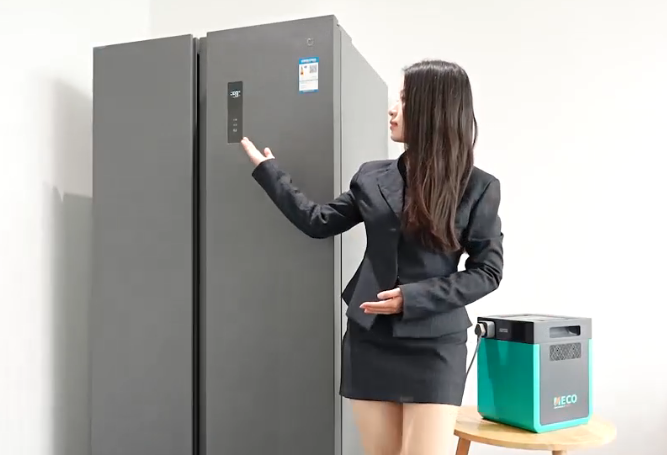
During power outages, serves as an emergency power source for critical home devices, ensuring continuous operation of phones, routers, lighting, small medical devices (like oxygen concentrators), maintaining communication and basic living needs. View Plan>>>

Outdoor Photography & Creation
Powers professional cameras, drones, monitors, LED fill lights, and other photography/videography equipment, supporting the prolonged power demands of outdoor time-lapse photography, aerial photography, and other creative work.
Field Work & Scientific Research
Provides stable and reliable off-grid power for measuring instruments, communication equipment, and laptops used in geological exploration, environmental monitoring, agricultural research, and other field operations.
Chapter 3: In-depth Product Analysis Using the MECO 300Wh as an Example
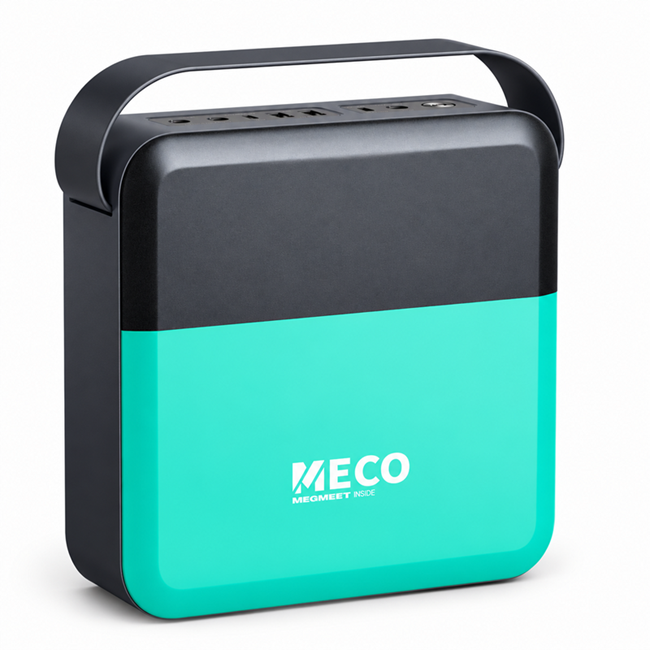
To concretely understand, let's analyze the actual configuration and design philosophy of a typical product using the MECO 300Wh Portable Solar Power Bank mentioned in the materials as an example.

3.1 Technical Specifications Overview
| Specification Item | Specific Parameter | Parameter Interpretation |
|---|
| Model | Meco 300Wh | Product series and energy identifier. |
| Battery Type | LiFePO₄ Lithium Iron Phosphate | Utilizes high-safety, long-life battery chemistry. |
| Battery Capacity | 300Wh | Stores approximately 0.3 kWh of electricity. Can charge a smartphone about 20-25 times, or power a 20W LED lamp for about 15 hours. |
| Cycle Life | ≥8,000 cycles | Service life far exceeds traditional lithium batteries, effectively reducing long-term cost of use. |
| Maximum Output Power | 150W | Can fast charge multiple medium/low-power devices like phones, tablets, cameras simultaneously, but insufficient for high-power appliances like induction cookers or rice cookers. |
| Solar Input | MPPT 11–55V DC / 100W Max | Supports up to 100W solar panel input, with built-in MPPT controller for efficient charging. |
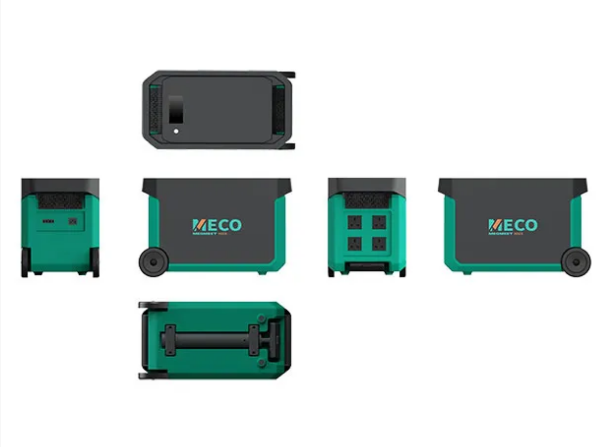
| Weight | Approx. 2.8kg | Lightweight design, easy to carry and move. |
Product Highlights Focus:
All-in-One Integrated Design: Highly integrates the MPPT controller, inverter, BMS, and battery, enabling "out-of-the-box" use without the need for users to assemble complex components.
Multiple Safety Protections: Built-in protection circuits for overcharge, over-discharge, overcurrent, short circuit, temperature, etc., ensuring safety in various usage environments.
Flexible Energy Replenishment: Supports dual-mode "Mains Fast Charge" and "Solar Slow Replenishment." Can be slowly replenished with solar panels on sunny days and quickly charged via mains when needed, offering flexible usage strategies.
Chapter 4: Professional Selection and Usage Guide
Faced with a dazzling array of products on the market, how do you choose a solar power bank that suits you? Here is a concise decision-making path:
4.1 Four-Step Selection Decision Method
Define Core Needs (Scenario): What will you primarily use it for? A 3-day light hiking, or as a home emergency backup? This determines your primary requirements for capacity and portability.
Calculate Key Parameters (Capacity): List the devices you need to power and their power consumption (wattage), estimate the total energy consumption (watt-hours) per trip. Typically, the total capacity should be 1.5 times the estimated value to account for contingencies and battery degradation.
- Focus on Key Technical Indicators (Cell & Charging):
Evaluate Brand & Service (Reliability): Investigate the brand's technical background (e.g., whether it has industrial power electronics expertise), whether products pass authoritative safety certifications (e.g., UN38.3, CE, RoHS), and whether OEM/ODM customization services are offered to meet special needs.
4.2 Efficient Use and Maintenance Recommendations
Utilize Dual Charging: Before departure, always fully charge the internal battery using mains power first. During outdoor use, the solar panel acts as a "continuous replenishment station," greatly extending overall endurance.
Optimize Solar Panel Placement: Ensure the solar panel is facing the sun directly and unobstructed during charging to achieve the highest charging efficiency.
Proper Storage: For long-term non-use, it is recommended to keep the battery charge between 50%-70% and store it in a cool, dry place.
Chapter 5: Frequently Asked Questions (FAQ)
Q1: Can it charge a laptop?
A1: Taking a 300Wh/150W output model as an example, it can charge most ultrabooks and some all-round laptops. When selecting, confirm that its output power (e.g., 150W) is greater than the power of your laptop's power adapter.
Q2: How long does it take to charge fully using solar panels?
A2: Charging time depends on the solar panel's power (wattage) and sunlight conditions. For example, using a 100W solar panel, under ideal sunlight, it would theoretically take about 3-4 hours to fully charge a 300Wh battery from zero. Actual outdoor times are longer due to weather variations.
Q3: Is it safe? Can it be taken on a plane?
A3: Legitimate products all have multiple safety protections and pass relevant certifications (such as UN38.3 required for air transport). As long as the battery's rated energy (Wh) does not exceed airline regulations (usually 100Wh or 160Wh, check specific airline rules) and is clearly marked, it can be carried in hand luggage.
Q4: Can it be used in winter or on cloudy days?
A4: Yes, it can be used. The internal battery can discharge normally. However, solar charging efficiency will decrease significantly due to reduced sunlight. In such cases, it relies mainly on the stored power from pre-departure charging or switches to mains charging mode.
Chapter 6:Conclusion
The solar power bank is not just an upgraded version of a traditional power bank; it is a crucial piece of the puzzle towards personal energy independence and practicing a sustainable lifestyle. With the maturation of technologies represented by efficient MPPT, LiFePO₄ batteries, and intelligent BMS, the reliability, safety, and practicality of such products have seen a qualitative improvement. Whether you are an outdoor enthusiast, an emergency prepper, or an ordinary user pursuing a green lifestyle, choosing a solar power bank with solid technology that matches your needs means having an extra layer of composure in unknown environments and making a greener choice in daily consumption. When choosing, be sure to return to your core application scenario, carefully consider capacity, power, and key technical indicators, and let clean energy truly inject lasting power into your exploration and life.

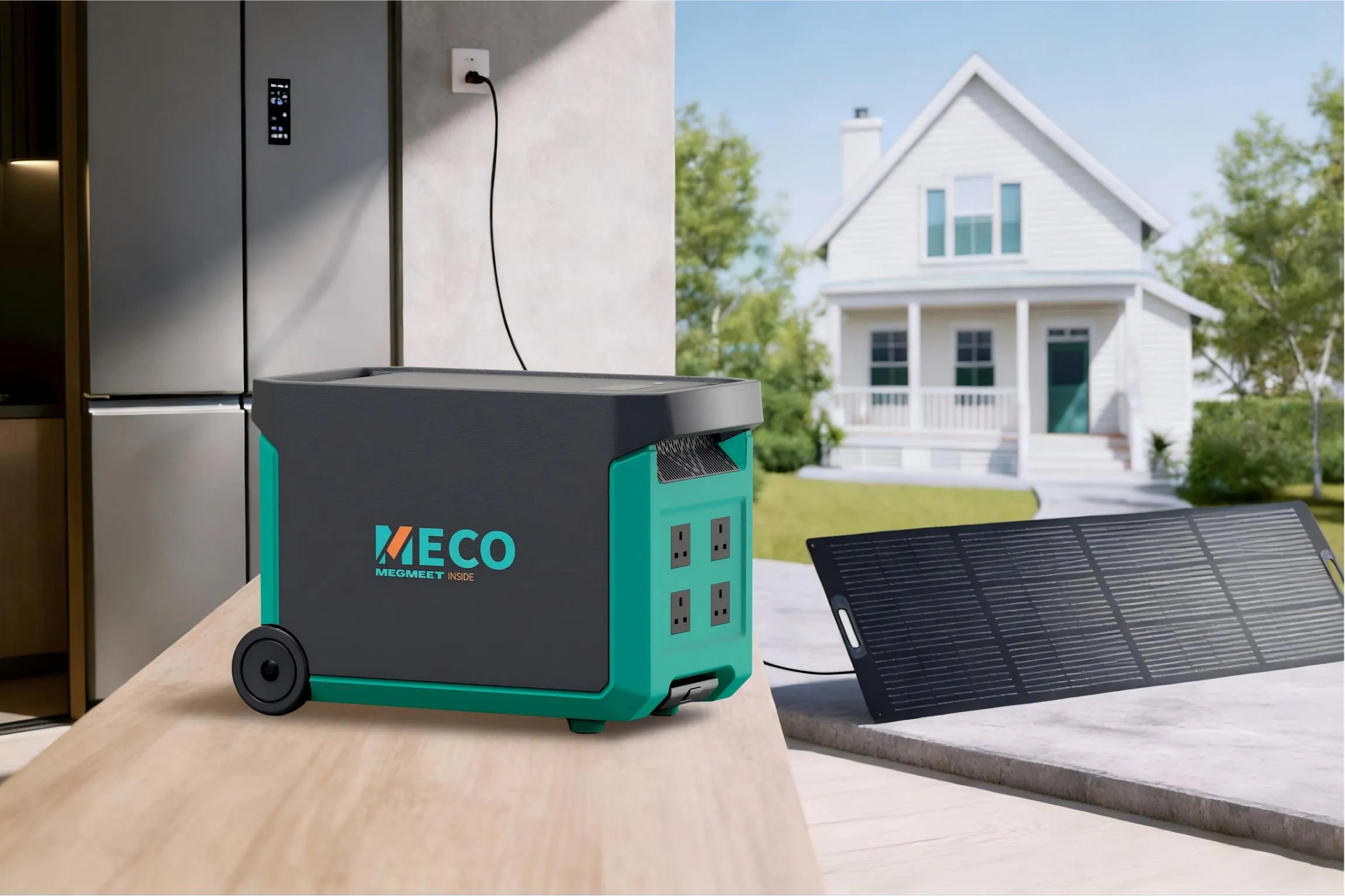
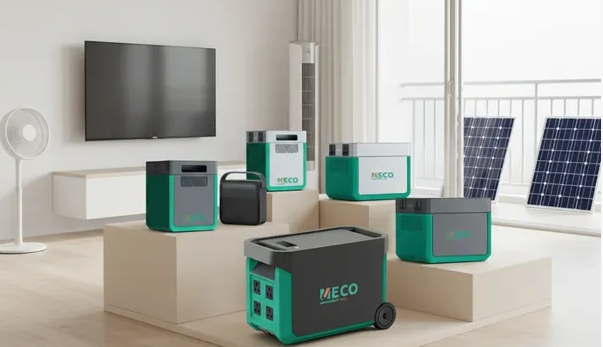
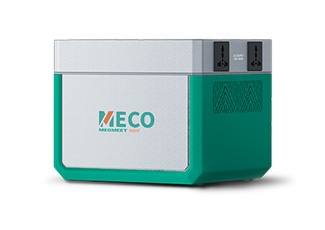 Meco 1kWh Solar GeneratorApplied to small household appliances
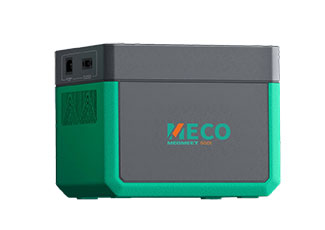 Meco 1kWh Pro Solar GeneratorSuitable for small-scale space solar power generators
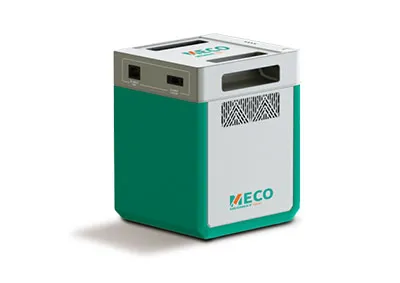 Meco 1.8kWh Solar GeneratorSuitable for small-scale space solar power generators
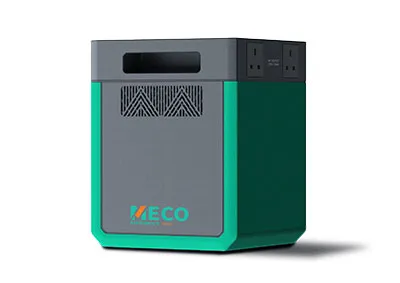 Meco 2kWh Solar GeneratorPowers your entire household
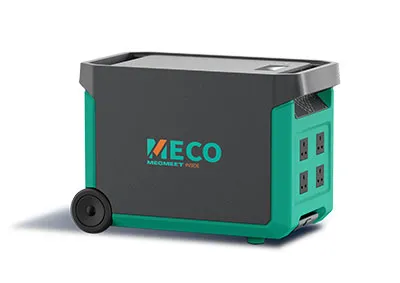 Meco 3.6kWh Solar GeneratorPerfect for outdoor adventures and camping
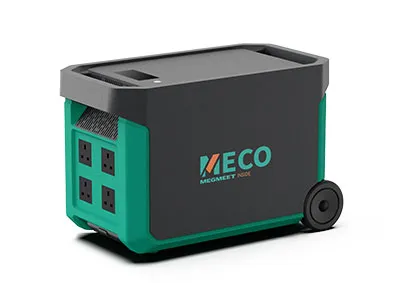 Meco 3.6kWh Pro Solar GeneratorProvides reliable high-power power support for modern households