Basic Exhibition Information
Full Event Name: PhilEnergy 2026
Exhibition Schedule: June 24 – 26, 2026
Venue: World Trade Center Metro Manila (WTCMM), Pasay City, Metro Manila, Philippines
Address: 2/F WTCMM Building, Diosdado Macapagal Blvd, corner Sen. Gil J. Puyat Ave, Pasay City, 1300 Metro Manila, Philippines
Booth Info: Hall A, Booth D25
Exhibitor: Shenzhen Meco New Energy Co., Ltd.
Exhibition Background: As a flagship energy industry expo in the Philippines, PhilEnergy 2026 gathers global new energy manufacturers, distributors and industry practitioners. It serves as a core platform for showcasing cutting-edge energy storage technology, exploring local renewable energy demand and developing Southeast Asian market channels amid surging demand for off-grid power and emergency backup power across the country.
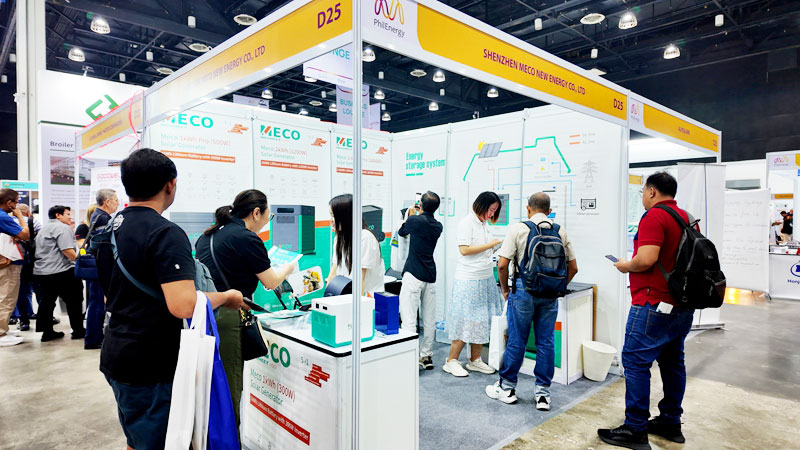
On-site Display & Core Product Introduction
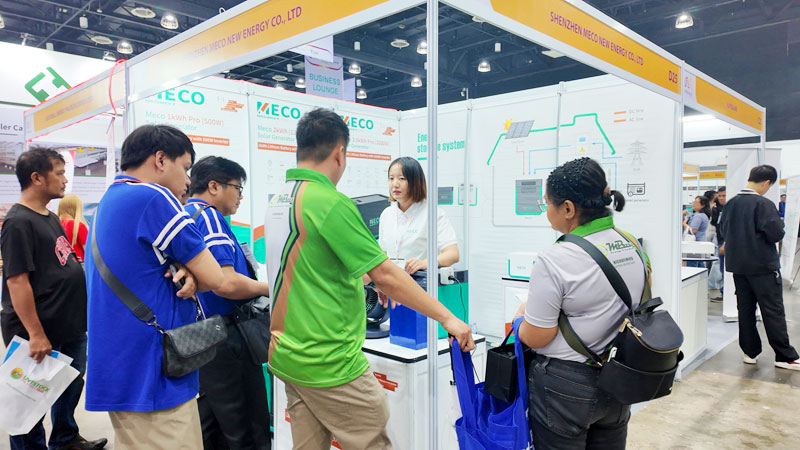
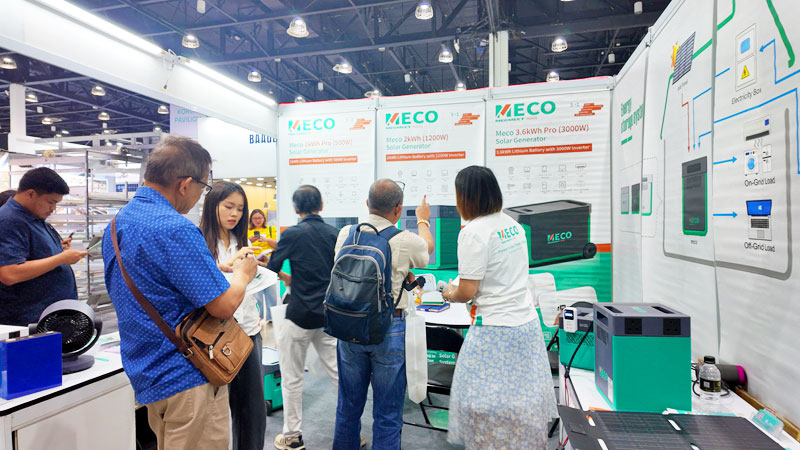
MECO brought a full lineup of portable integrated energy storage power stations to the booth, delivering intuitive real-scene demonstrations for global buyers:
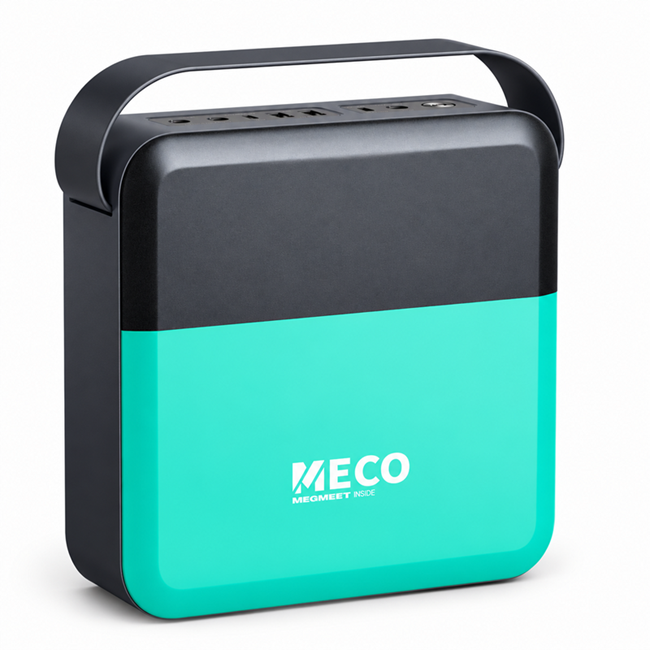
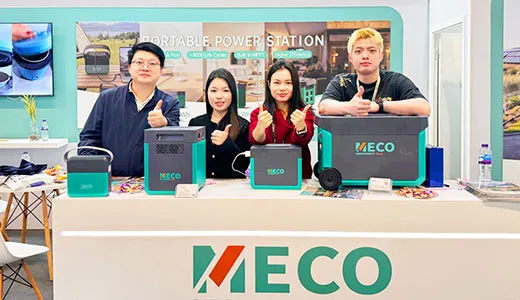
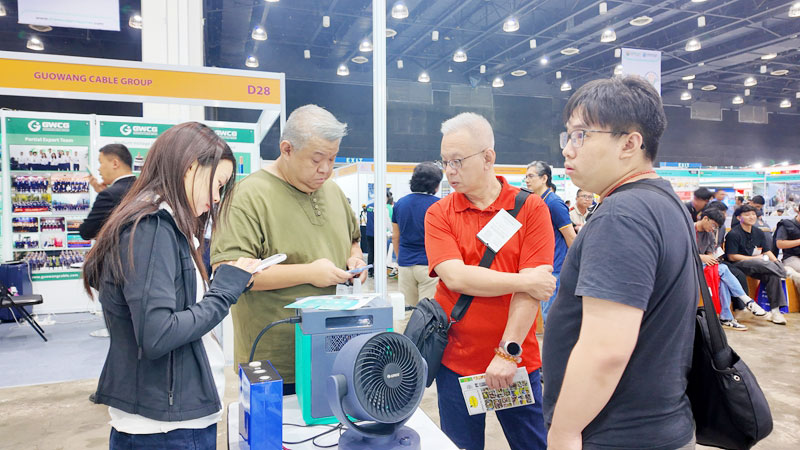
Meco sales team demonstrated the MECO 1kWh (300W), MECO 1kWh (500W) and MECO 2kWh (1200W) units live by powering fans and hair dryers to display their operating principles to attendees.
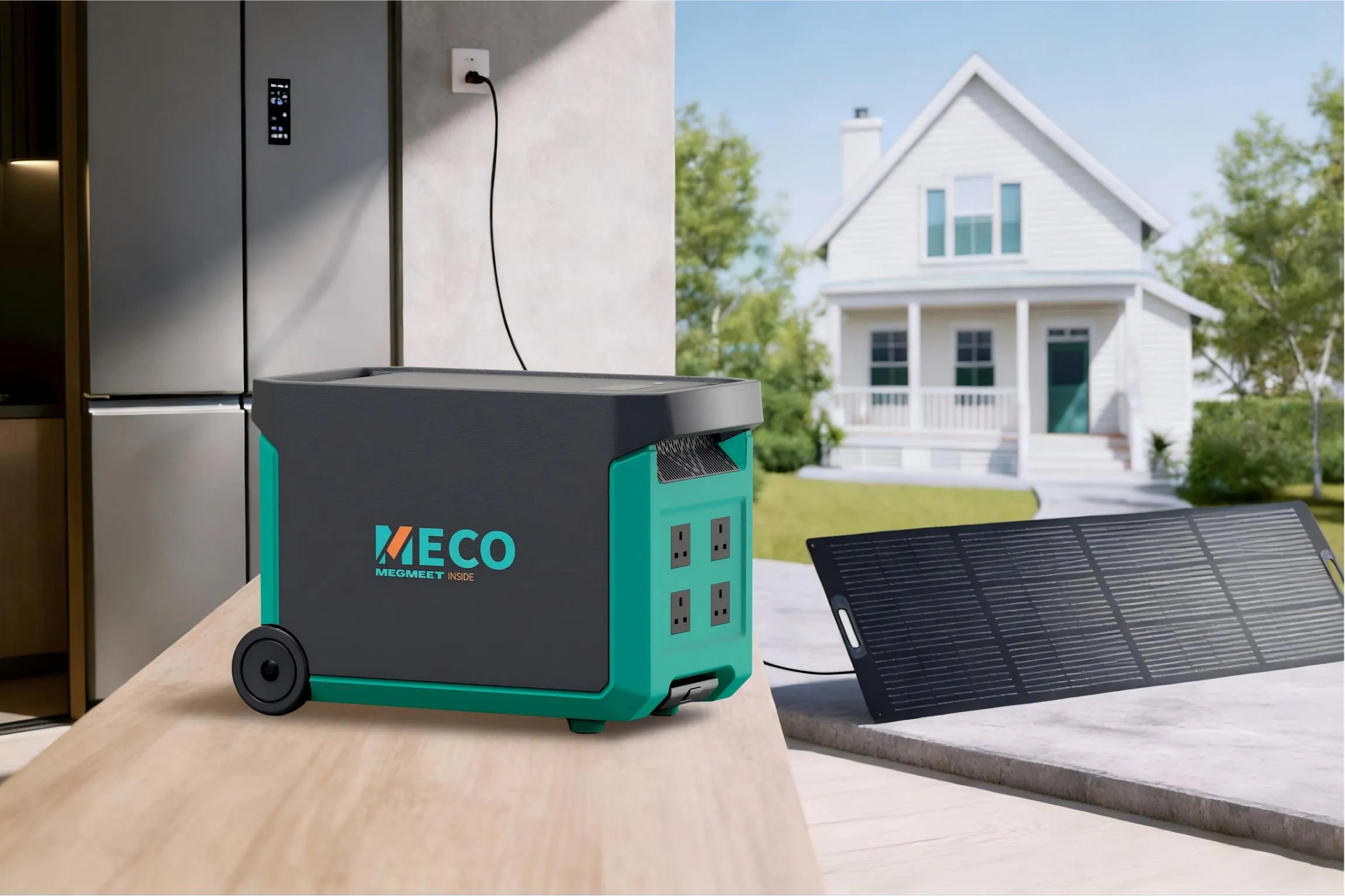
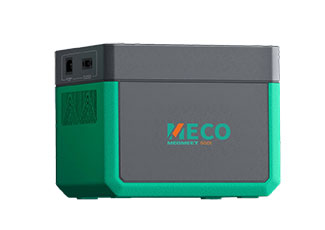
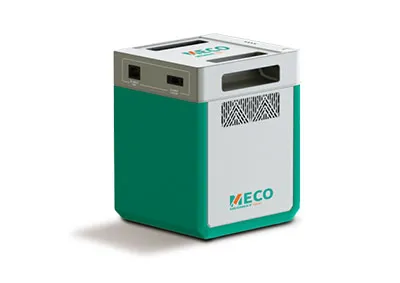
The compact and lightweight MECO 1kWh series fits off-grid power supply, emergency backup power, outdoor camping and other scenarios. The MECO 2kWh supports up to 600W solar charging, meeting daily household and small store power demands.
A trolley-style hollow model of the MECO 3.6kWh was also on display, showing visitors the portable, elegant design of MECO’s medium-to-high capacity all-in-one power stations.
Core Competitive Advantages of All MECO Energy Storage Products
1. All-in-one Integrated Design
Each unit integrates inverter, lithium battery, BMS battery management system and MPPT solar controller. Plug-and-play design delivers simple operation and outstanding efficiency.
2. Ultra-long Service Life & High Safety
Lithium iron phosphate batteries support up to 8,000 charge-discharge cycles, paired with multi-layer safety protection circuits to guarantee stable operation under complex power grid conditions.
3. Wide Voltage Adaptability
Upgraded 90V–280V ultra-wide mains input range, perfectly matching regions with unstable power grids like the Philippines and other emerging markets.
4. GaN High-efficiency Technology
Gallium nitride core technology pushes the overall energy conversion rate to 92%, effectively cutting power loss during energy conversion.
5. Global Authoritative Certifications
Full product range holds UN38.3, MSDS, IEC62368 and other international certifications, complying with global safety and quality standards for seamless worldwide export.
Exhibition Objectives & On-site Highlights
Core Purposes of Participation
1. Vibrant On-site Reception
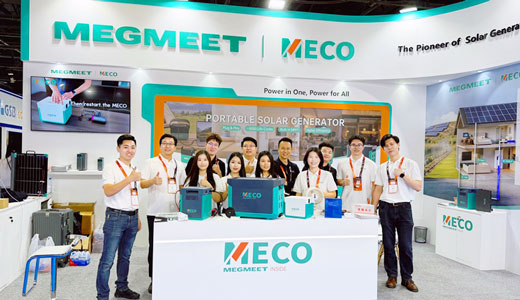
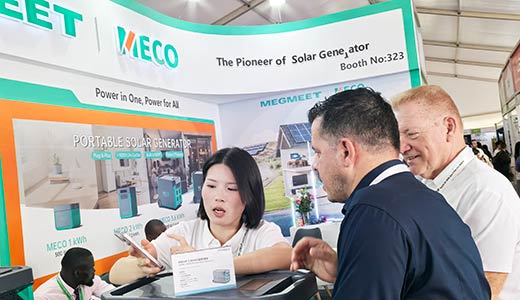
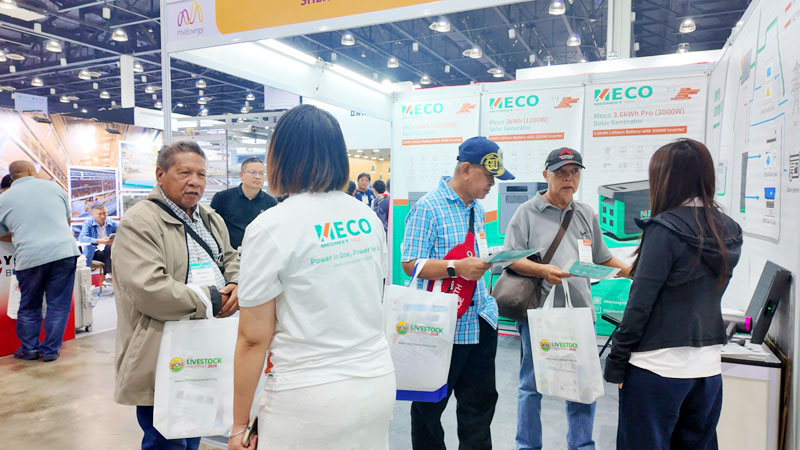
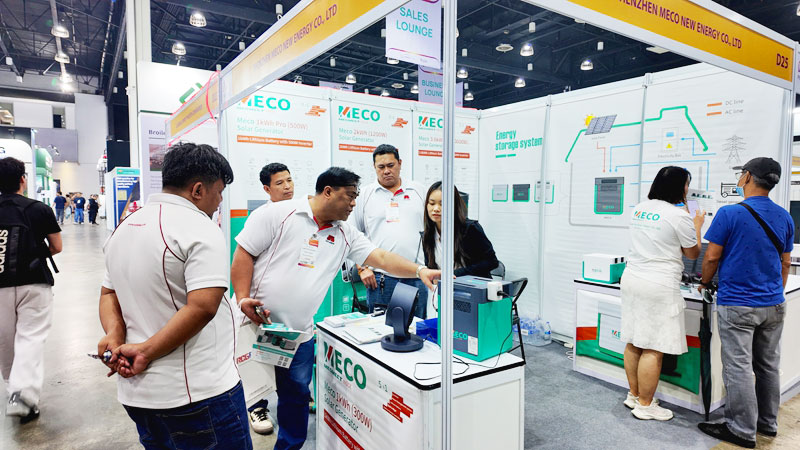
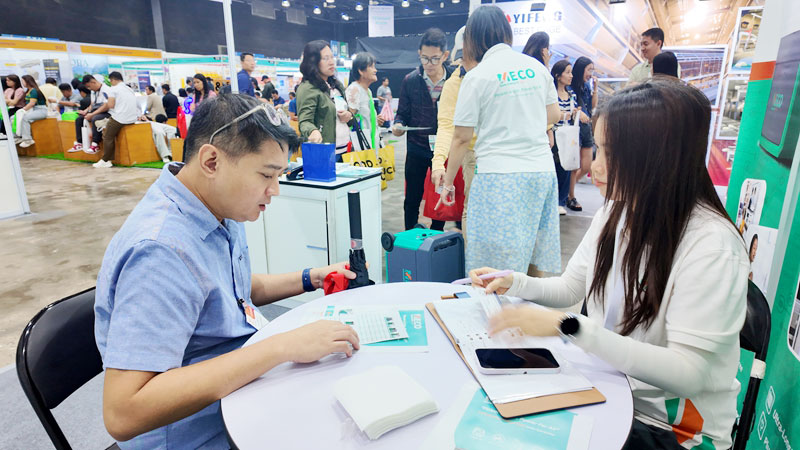
The MECO booth attracted continuous streams of professional buyers throughout the three-day show. Visitors from diverse industries consulted product parameters, application solutions and global cooperation policies, creating high customer engagement and communication efficiency.
Remarkable Exhibition Achievements
2. High-value Brand Exposure
MECO's full energy storage portfolio and live functional demos delivered strong brand visibility among Philippine local dealers, project contractors and end users, establishing a premium image in the portable energy storage sector.
3. Fruitful Cooperation Negotiations
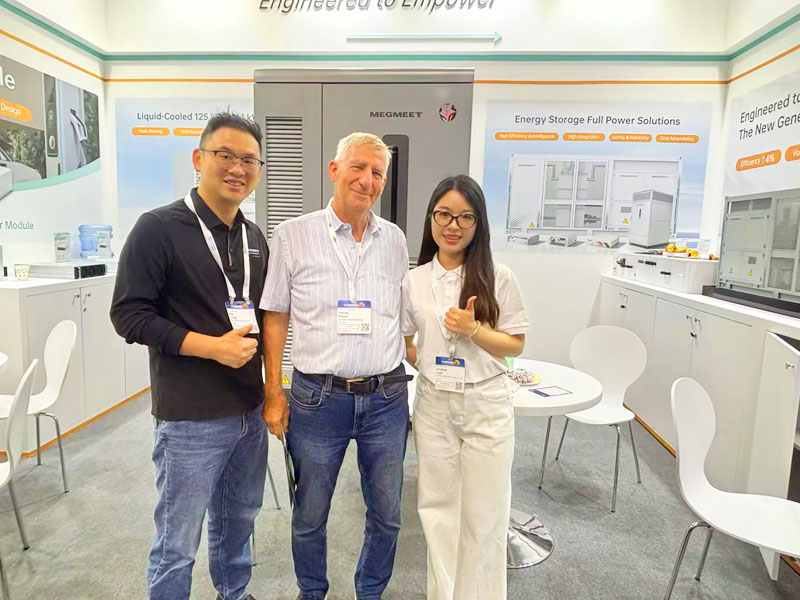
Our sales manager Hoho discussed Philippine distribution cooperation with several interested agents. Sales team also exchanged ideas with many potential buyers to pave the way for future partnerships.
Corporate Profile & Global Cooperation Invitation
Shenzhen Meco New Energy Co., Ltd. is a world-leading innovative new energy enterprise specializing in single-cell & large-cell topology solutions and simple household energy storage systems (EHESS). Committed to popularizing renewable energy, we develop cost-effective, portable energy storage systems for residential and small commercial scenarios.
Driven by continuous technological innovation, strict quality control and sustainable development concepts, MECO supplies reliable power solutions to emerging global markets. We have built stable strategic market presence in Nigeria, Sri Lanka, Cameroon, Pakistan, Uzbekistan and more regions.
We provide flexible OEM & ODM customization services, capable of adjusting product specifications to match local voltage standards, customized brand branding and diversified application scenarios.
For more details about MECO energy storage products and global agency cooperation policies,
please visit our official website or contact our sales team directly.

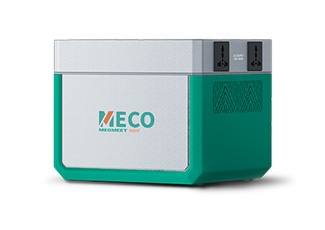 Meco 1kWh Solar GeneratorApplied to small household appliances
 Meco 1kWh Pro Solar GeneratorSuitable for small-scale space solar power generators
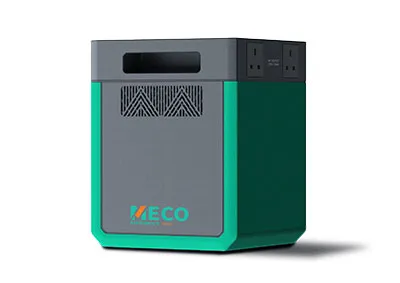
 Meco 1.8kWh Solar GeneratorSuitable for small-scale space solar power generators
 Meco 2kWh Solar GeneratorPowers your entire household
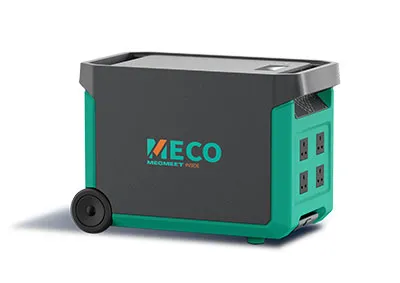 Meco 3.6kWh Solar GeneratorPerfect for outdoor adventures and camping
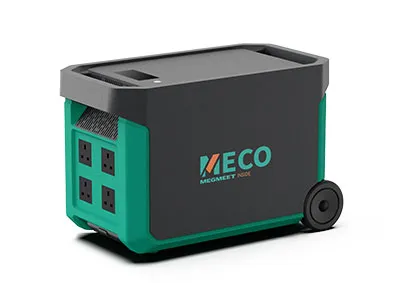 Meco 3.6kWh Pro Solar GeneratorProvides reliable high-power power support for modern households