Today, in the pursuit of decarbonization and free exploration, portable solar power devices have moved from niche equipment into the mainstream. From solar power banks that extend smartphone life to solar generators capable of powering household appliances, the market may appear rich—but users’ deeper needs remain unchanged: a clean, reliable, and easily portable power system that performs effectively in outdoor and emergency scenarios. The technical depth and application breadth involved are far more complex than commonly imagined. Professional brands like MECO POWER are responding to this challenge through systematic, integrated design.
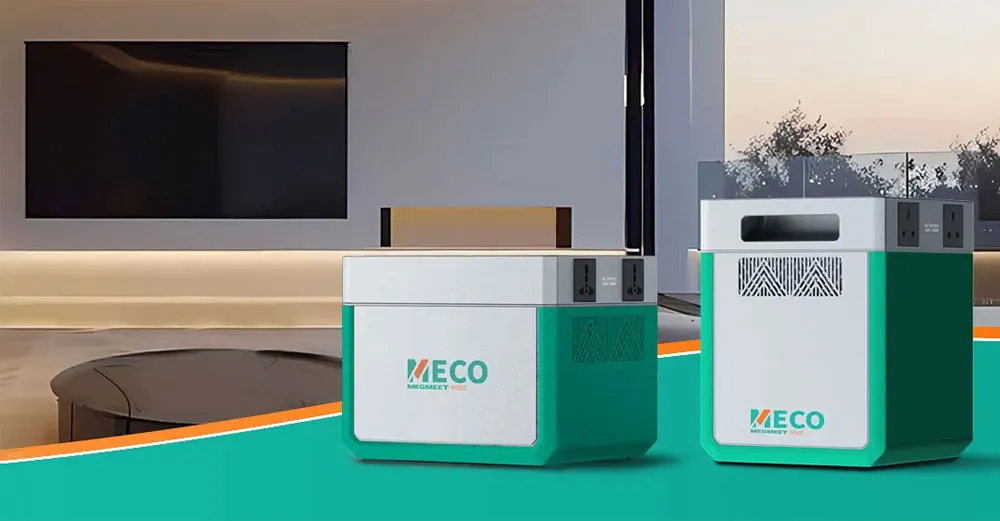
MECO-POWER-Solar-Generators
I. Market Observation: The Gap Between “Power Bank” and “Generator”
Current portable solar products can be roughly divided into two tiers:
These products are clearly positioned to provide low-power charging for digital devices such as phones and tablets. Their core consists of a battery and a small solar panel, with the technical focus on photovoltaic conversion efficiency (typically between 18%–24%). They address temporary recharging needs during short trips but are limited by small battery capacity and low power output, making them incapable of driving higher-power devices such as rice cookers, electric kettles, mini refrigerators, or power tools.
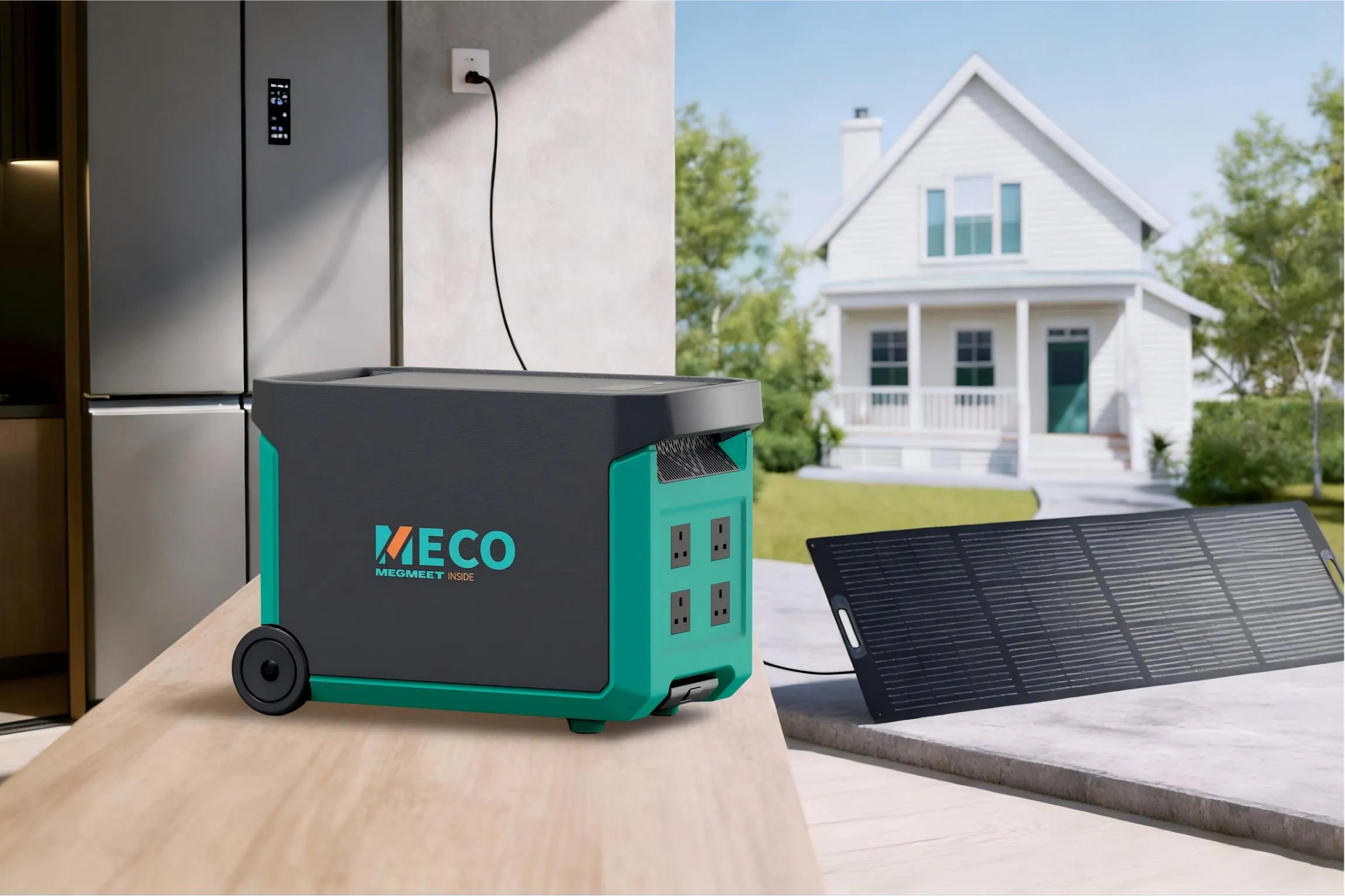
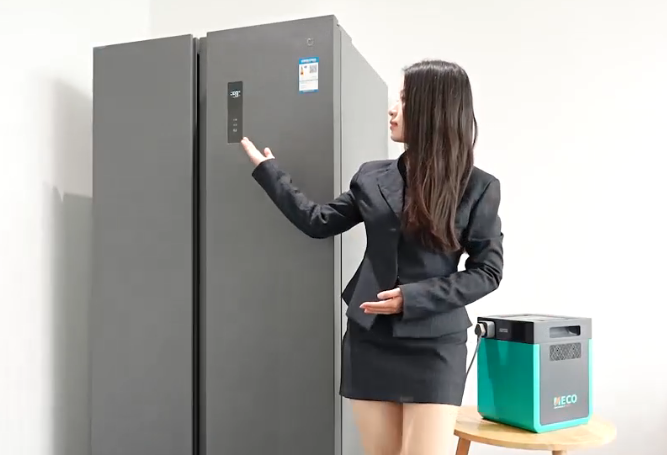
This is the key device for achieving “energy freedom.” It is not merely a larger battery, but a miniaturized power system integrating “photovoltaic input, energy storage, inversion output, and intelligent management.” User expectations have evolved from simply “having power” to demanding sufficient output power, stable and sustained electricity, and convenient, safe operation.
Simply connecting a battery and a solar panel cannot meet these professional requirements. This is precisely where brands like MECO differentiate themselves through integrated, system-level design.
II. Foundation of Reliability: System Stability Through Integrated Design
Reliability and safety are the lifelines of portable energy devices. An excellent solar generator must maintain stable performance in complex environments. MECO incorporates this consideration into its product design—for instance, its products commonly integrate an MPPT (Maximum Power Point Tracking) controller, inverter, battery, and BMS (Battery Management System) into a single unit. This “fully integrated” design fundamentally differs from split or simple PWM controller solutions:
Improved Efficiency and Stability:
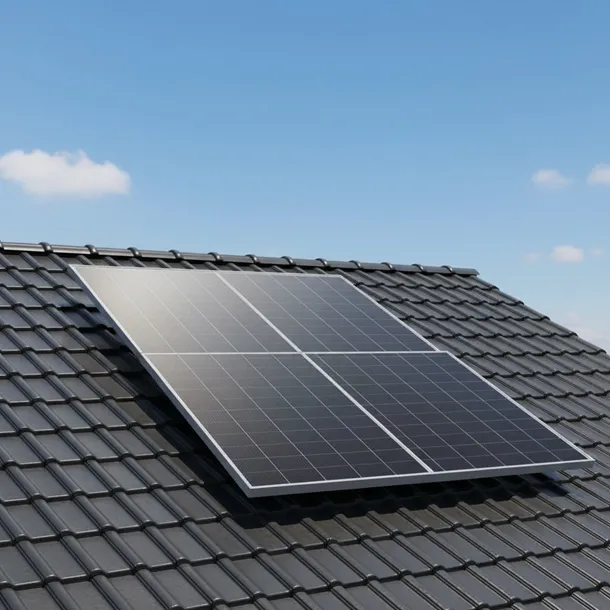
The built-in MPPT controller dynamically tracks the optimal operating point of the solar panel, maximizing energy collection even under cloudy or low-light conditions. According to available data, its efficiency significantly exceeds traditional solutions. This ensures not only higher charging efficiency but also stable system operation across diverse environments.
Multi-Layer Safety Protections:
Over-voltage, over-current, short-circuit, and over-temperature protections are standard in professional systems. This end-to-end protection—from battery charge/discharge to power output—effectively prevents equipment damage or safety hazards caused by abnormal operation or environmental changes. This is a necessary technical safeguard for “complex outdoor applications,” as noted in research findings.
Simplified User Operation:
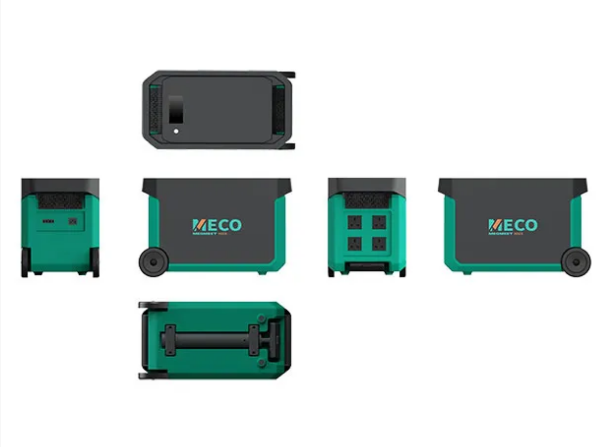
Users need not learn complex wiring or calibration—just “plug and play.” High integration encapsulates all core components within a compact enclosure, reducing external cable connections. This not only enhances aesthetics but also lowers the risk of interface failure due to bumps or rain exposure in outdoor settings.
III. Clean Core: From Lithium Iron Phosphate to Lifecycle Thinking
The “clean” nature of clean energy should reflect low-carbon characteristics in both energy acquisition and usage, as well as in the material and technological advancement of the product itself.
Clean Energy Source:
Compared to traditional diesel generators, solar generators harness inexhaustible sunlight, producing no noise, emissions, or carbon during operation—making them true green power sources. This makes them inherently suitable for quiet, environmentally sensitive settings such as outdoor camping and residential courtyards.
Environmentally Responsible Technology:
The industry is undergoing a shift in energy storage technology. MECO, for example, employs long-life lithium iron phosphate (LiFePO₄) batteries. Compared to traditional ternary lithium batteries, LiFePO₄ offers higher thermal stability, longer cycle life (thousands of cycles), and reduced environmental impact, making it a more sustainable and safer energy storage solution. Choosing this technology reflects a commitment to long-term reliability and environmental responsibility.
Reduced Lifecycle Emissions:
A well-designed, long-lasting device indirectly reduces manufacturing, transportation, and recycling emissions associated with frequent replacements. This “durable goods” philosophy aligns with the principles of sustainability.
IV. The Art of Portability: Energy Density and Scenario Adaptability
Portability does not mean lightness—it means maximizing energy and power capacity per unit volume or weight, i.e., “energy density.” It also reflects adaptability across diverse usage scenarios.
Pursuit of Energy Density:
High energy density allows users to carry more power with less physical burden. This demands integration of advanced battery materials, internal structural design, and thermal management technologies.
Flexible Power Coverage:
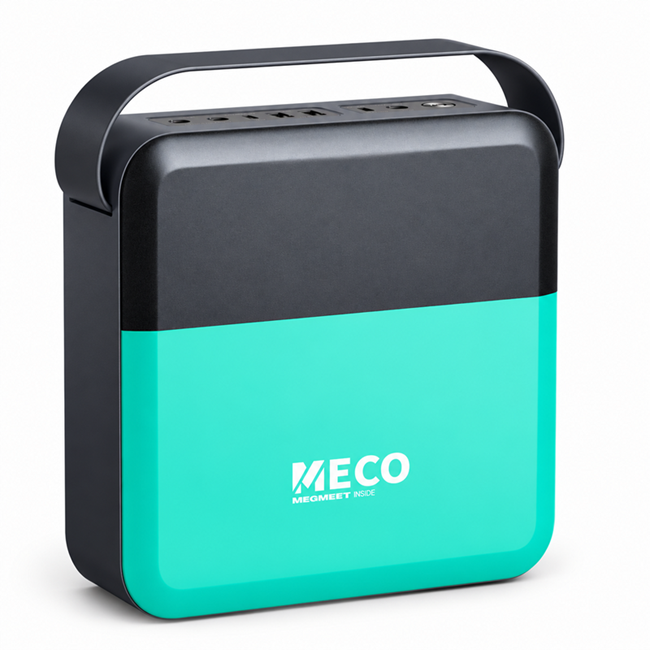
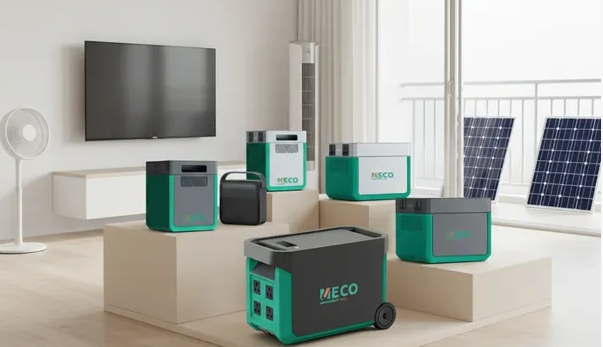
MECO offers solar generators ranging from 300Wh to several kWh. From 300Wh models capable of powering laptops and drones, to kilowatt-hour models supporting small appliances (TVs, fans, induction cookers) and office equipment, to multi-kilowatt-hour systems capable of powering entire households in off-grid areas, users can precisely select based on their actual power needs—not just capacity.
Scenario-Specific Solutions:
According to company websites and research findings, its products are applied in outdoor exploration and camping, small-scale household power, off-grid or under-electrified areas (e.g., border outposts), and home backup power. This demonstrates that portability extends beyond physical mobility—it encompasses electrical adaptability to diverse environments, such as supporting multiple output ports (USB, Type-C, AC) to cover everything from digital devices to household appliances.
Conclusion
In summary, when users seek a “clean, reliable, portable” solar generator, they are not seeking a single feature—they are seeking a comprehensive energy solution that operates stably, efficiently, and safely in complex environments. The depth of such products lies in their ability to integrate complex technologies—power generation, energy storage, conversion, and management—into a user-friendly form.
Innovators in the market are progressively narrowing the gap between professional demands and consumer experience by adopting more efficient photovoltaic systems, more stable and secure lithium iron phosphate batteries, smarter charge/discharge management systems (such as MPPT and BMS), and unified system designs. When selecting such devices, users should look beyond mere capacity figures and focus instead on system integration level, safety protection standards, cell technology pathways, and alignment with their typical usage scenarios. Only then can this clean energy technology reliably and portably serve every journey and daily life.

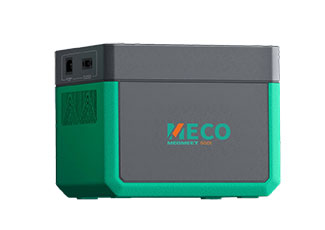
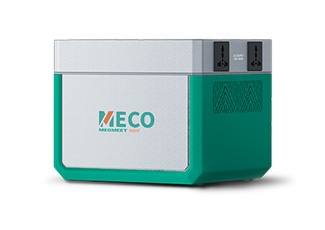 Meco 1kWh Solar GeneratorApplied to small household appliances
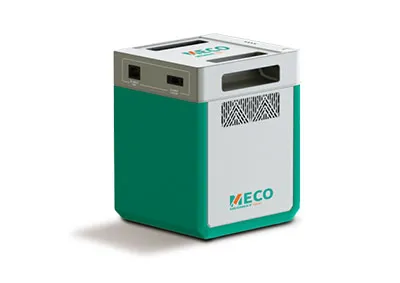
 Meco 1kWh Pro Solar GeneratorSuitable for small-scale space solar power generators
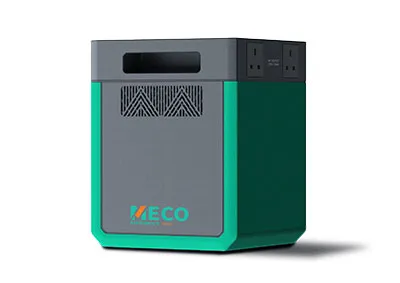
 Meco 1.8kWh Solar GeneratorSuitable for small-scale space solar power generators
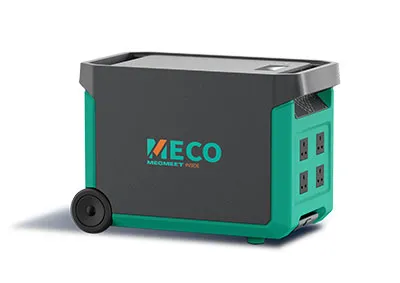
 Meco 2kWh Solar GeneratorPowers your entire household
 Meco 3.6kWh Solar GeneratorPerfect for outdoor adventures and camping
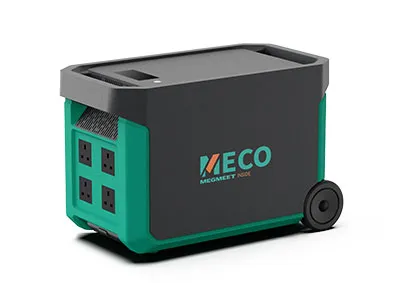 Meco 3.6kWh Pro Solar GeneratorProvides reliable high-power power support for modern households